Read time:
10 minutes
Sea World Foundation is proud to participate in ReShark’s Stegostoma tigrinum Augmentation and Recovery (StAR) Project to conserve endangered Leopard Sharks.
Mitchell Olivey
Published Date: 20 Mar 2025
Sea World Foundation is proud to participate in ReShark’s Stegostoma tigrinum Augmentation and Recovery (StAR) Project to conserve endangered Leopard Sharks.
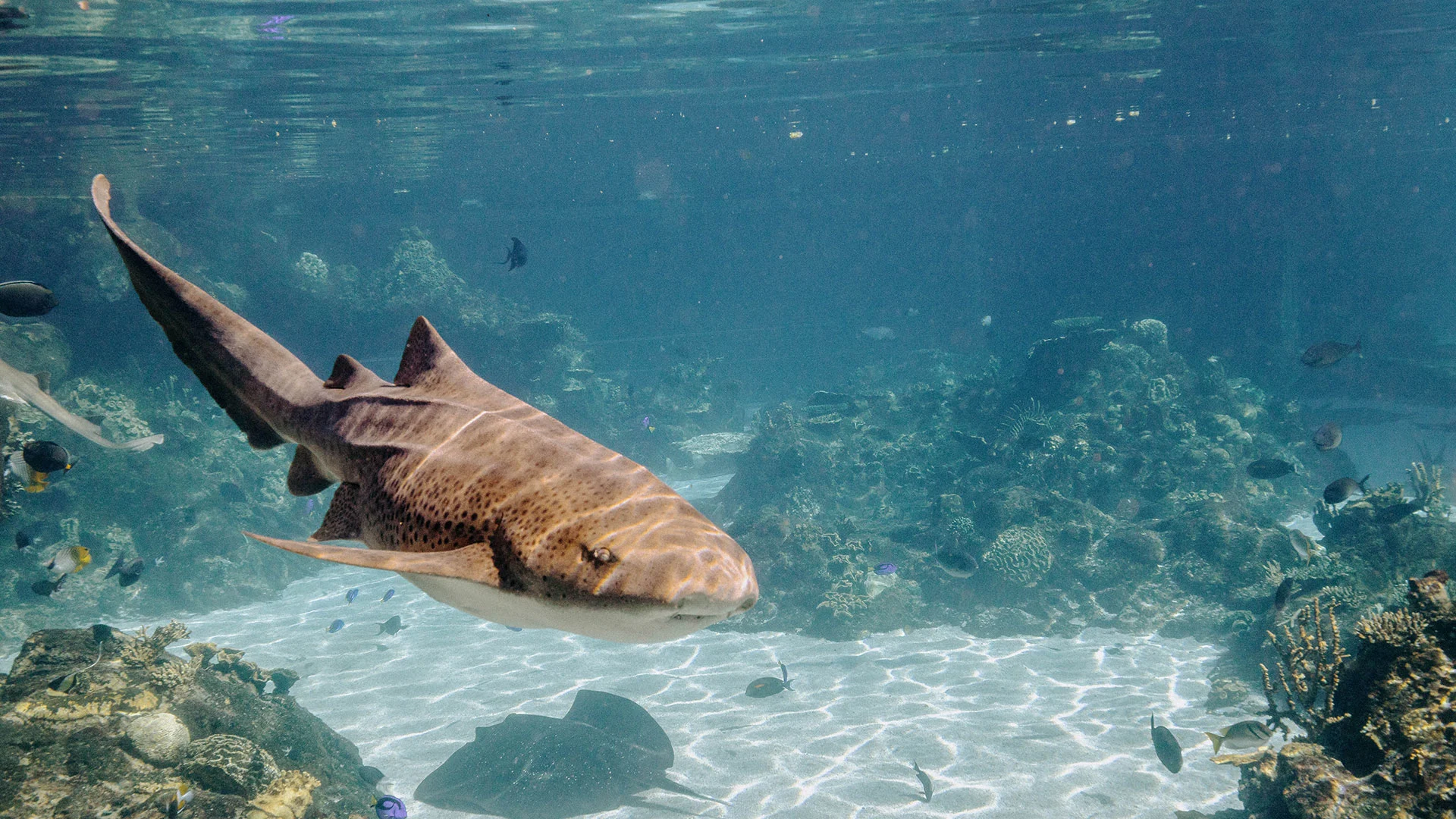
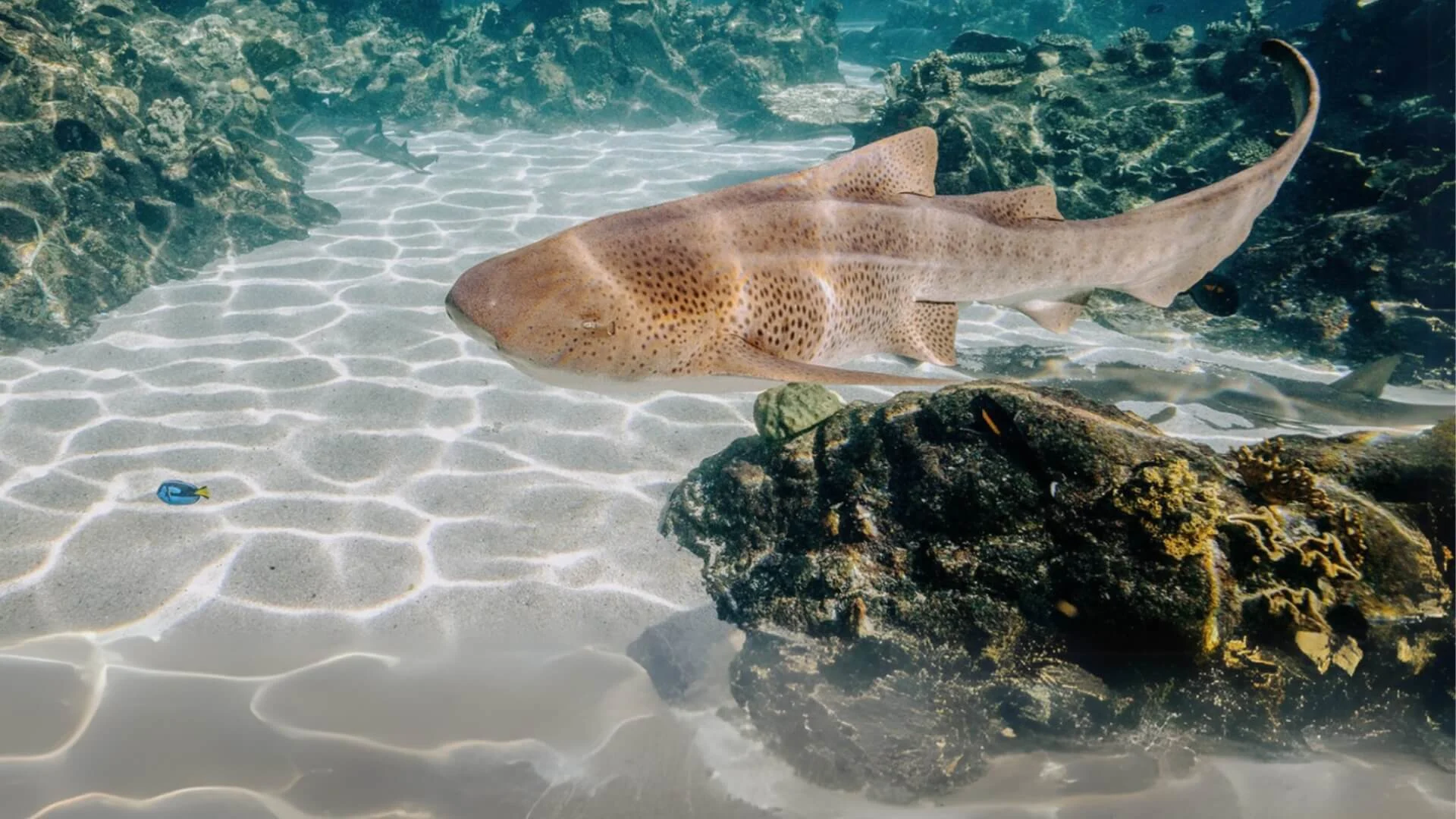
The StAR program is a global conservation effort to repopulate Leopard Sharks (also known as Zebra Sharks) in the Raja Ampat Islands in Indonesia where the species has unfortunately been decimated to near extinction.
Sea World Foundation contributes to the global ReShark conservation efforts by participating in rewilding and research projects.
Read time:
10 minutes
Rewilding project:
Sea World plays home to three leopard sharks - male (Romeo) and females (Juliet and Indie), who reside at Shark Bay and contribute to the StAR program’s rewilding project.
Romeo, Juliet and Indie are sexually mature, and our team monitor their breeding as part of the wider eco-system in the Tropical Reef Lagoon habitat.
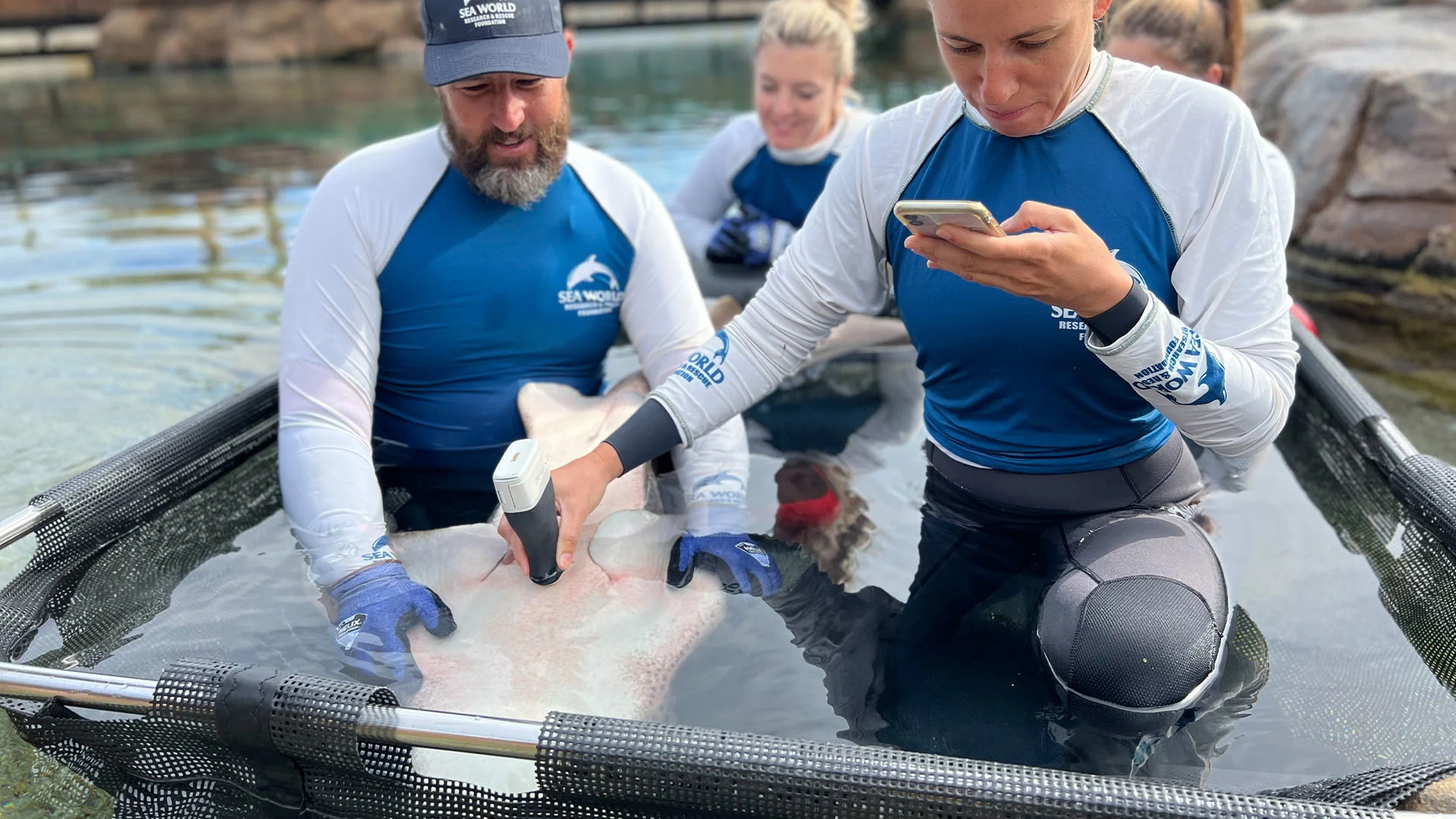
All three sharks participate in voluntary health assessments as part of their trained husbandry behaviours which include blood tests and the use of ultrasound sonography which allows us to identify when Juliet and Indi are fertile and producing eggs. Female Leopard Sharks can lay up to four eggs at a time and it takes only 150 days for pups to hatch from their eggs.
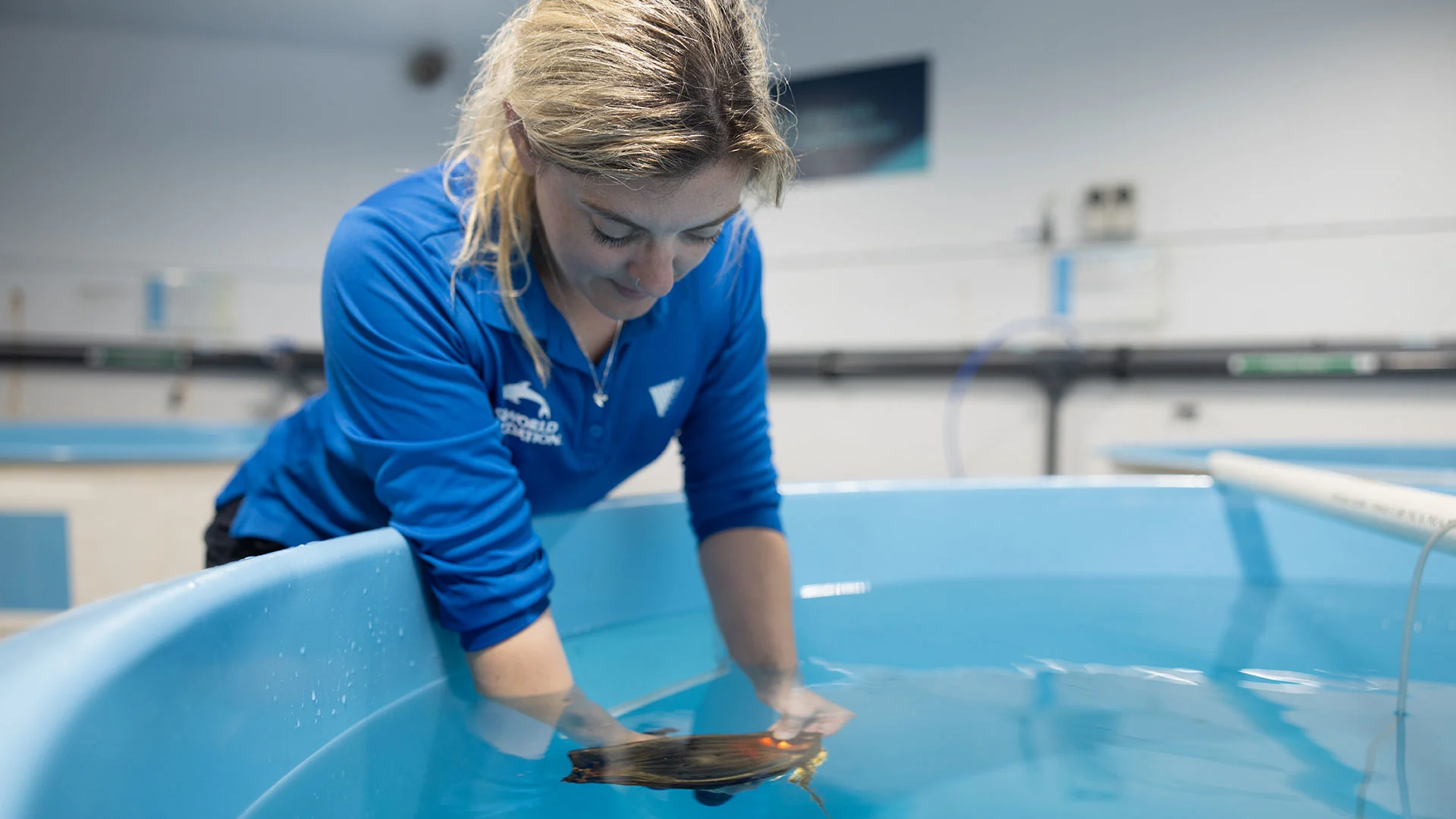
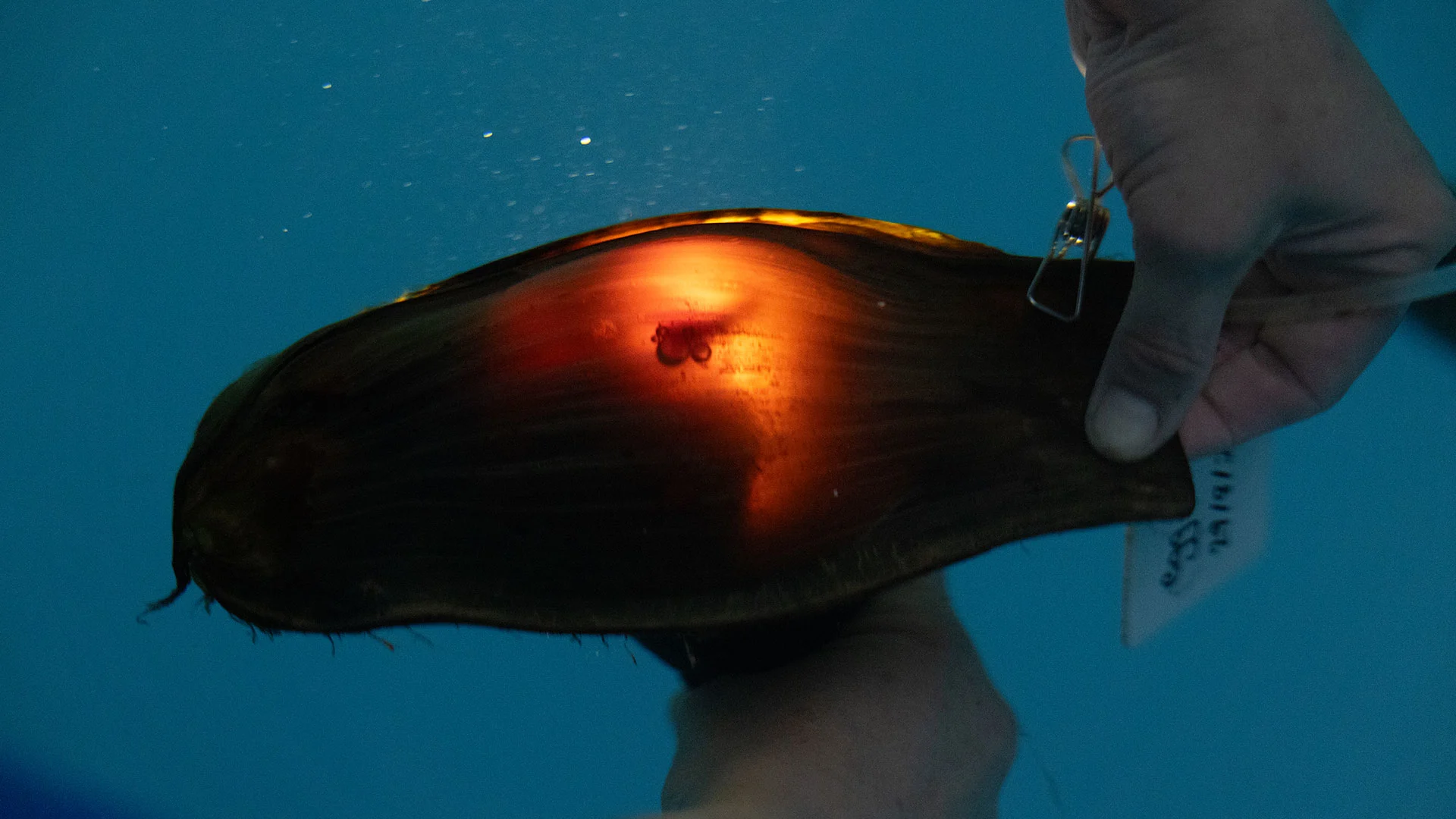
Excitingly in November 2024, four viable Leopard Shark eggs were laid and sent off to Indonesia with the pups to be released into the marine zone in Raja Ampat, becoming Sea World’s first rewilded sharks.
Research project:
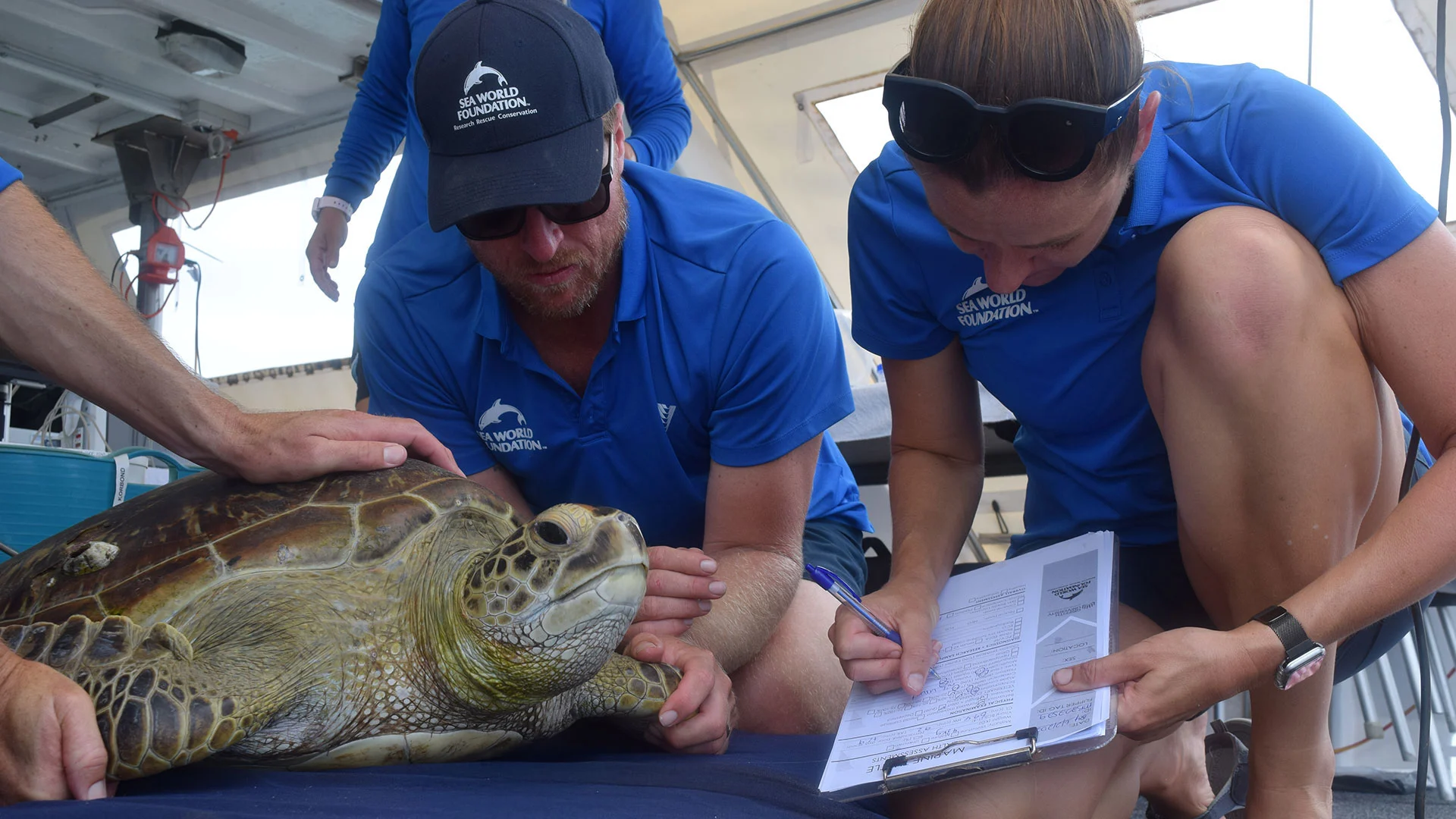
The Sea World Foundation joined the ReShark team in a world-first effort to save Leopard sharks through the use of artificial insemination with the pioneering Great Australian Stegostoma Semen Expedition (GASSE) initiative.
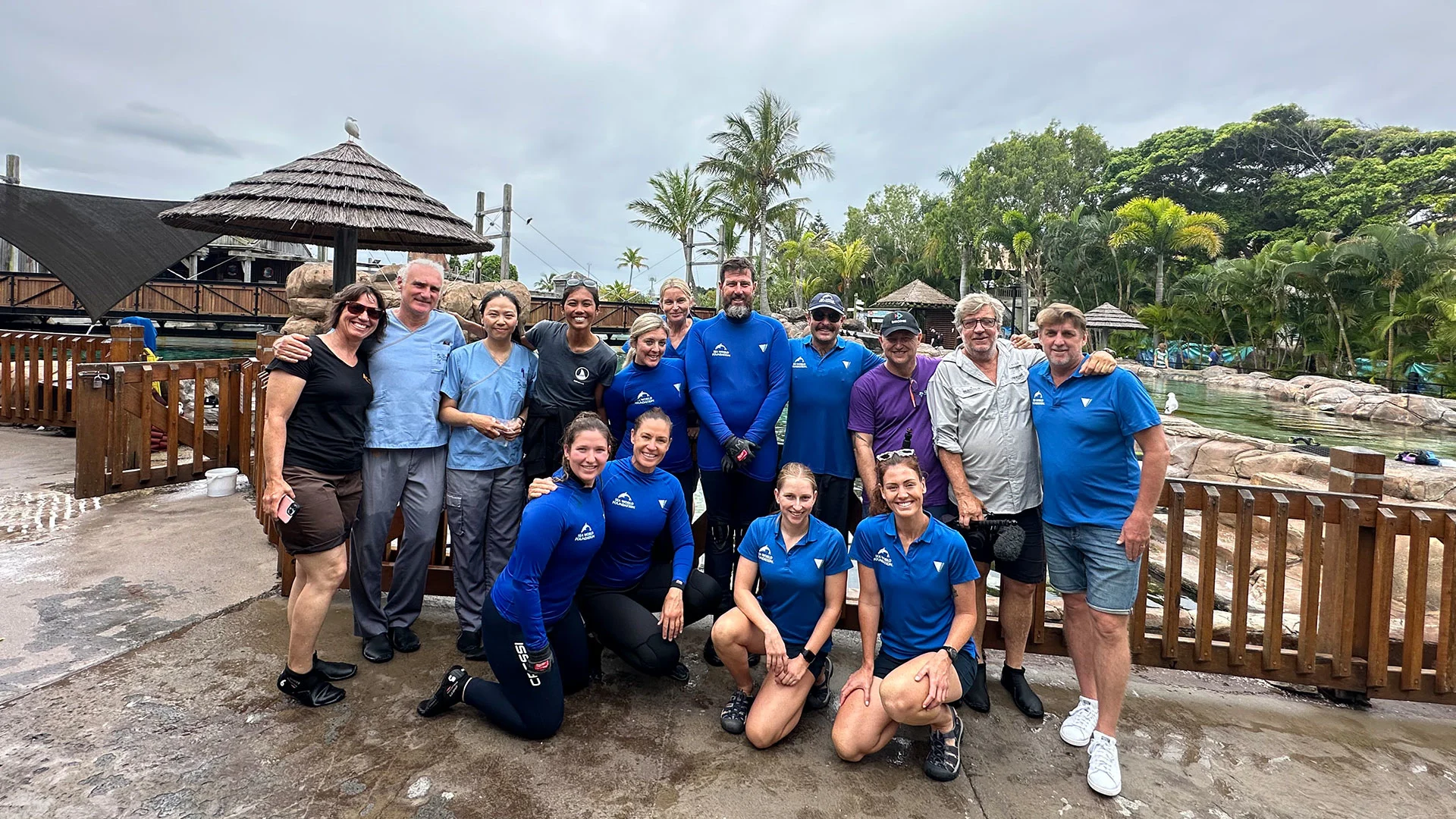
In the week-long GASSE expedition off North Stradbroke Island, a team of 15 scientists, aquarium experts and veterinarians collected semen from wild Indo-Pacific leopard sharks.
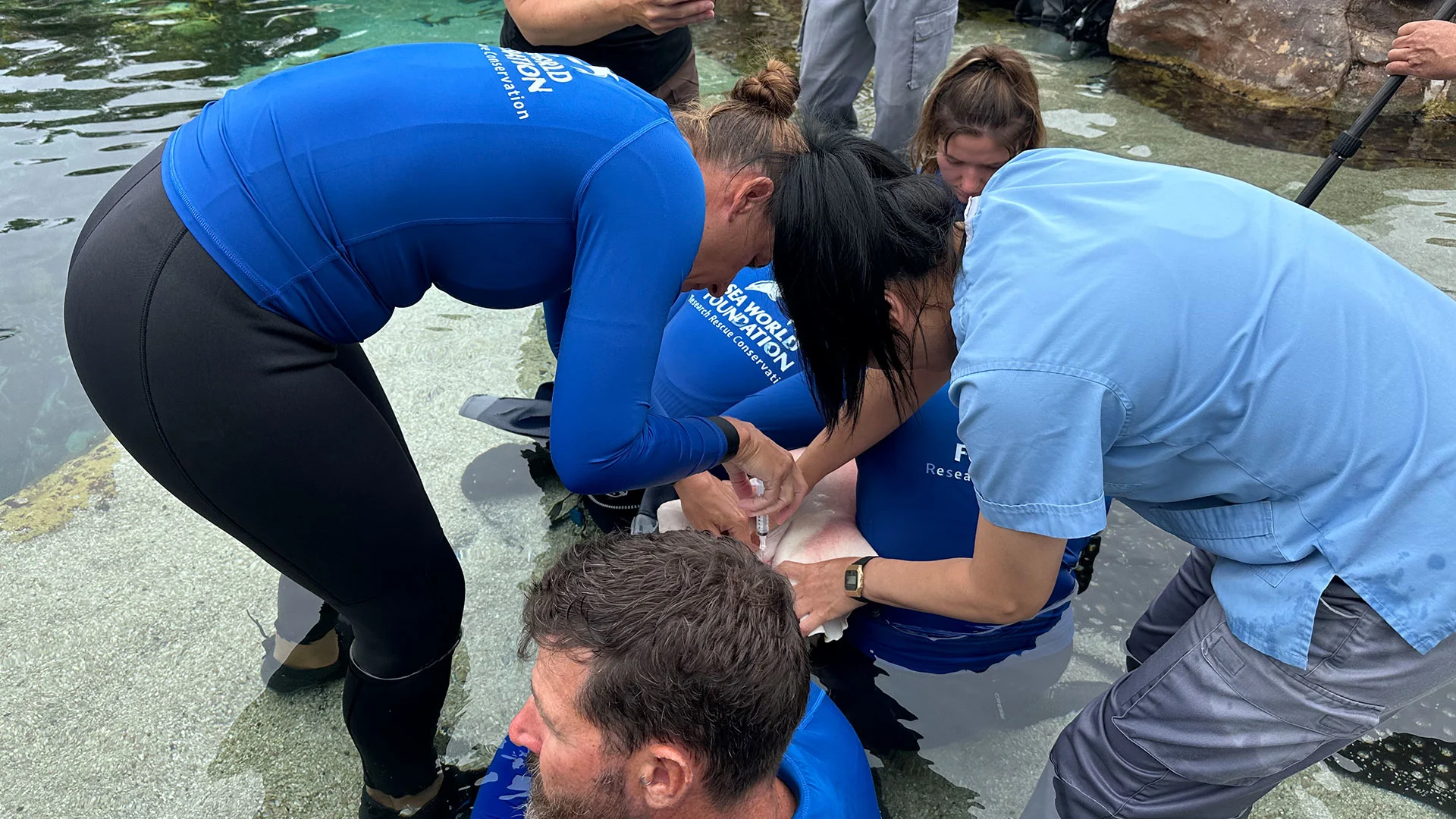
In this world-first development, the semen collected from the wild leopard sharks were artificially inseminated with Sea World’s resident female sharks, Juliet and Indie. This technique aims to boost egg viability and increase genetic diversity which is critical for StAR’s repopulation project.
“It is the biggest privilege to participate in this incredible project, working with an amazing team of scientists, veterinarians and aquarium specialists who are creating such a change and impact for this species,” Sea World Aquarium Supervisor, Siobhan Houlihan said.
“Projects like this showcase the importance of zoos and aquariums to the natural world, not only do we educate our guests on the issues facing animals, but to be part of a rewilding program hopefully helps remove species from extinction lists,” Sea World Head of Marine Sciences, Wayne Phillips said.
The GASSE program is supported by a range of global partners, including Conservation International, Ocean Park Hong Kong, Sea World - Gold Coast, SEA LIFE Sydney Aquarium, The University of Queensland, Moreton Bay Research Station, S.E.A. Aquarium, Thrive Conservation and Biopixel Oceans Foundation.